
The Leica M
The machine that refuses to think for you
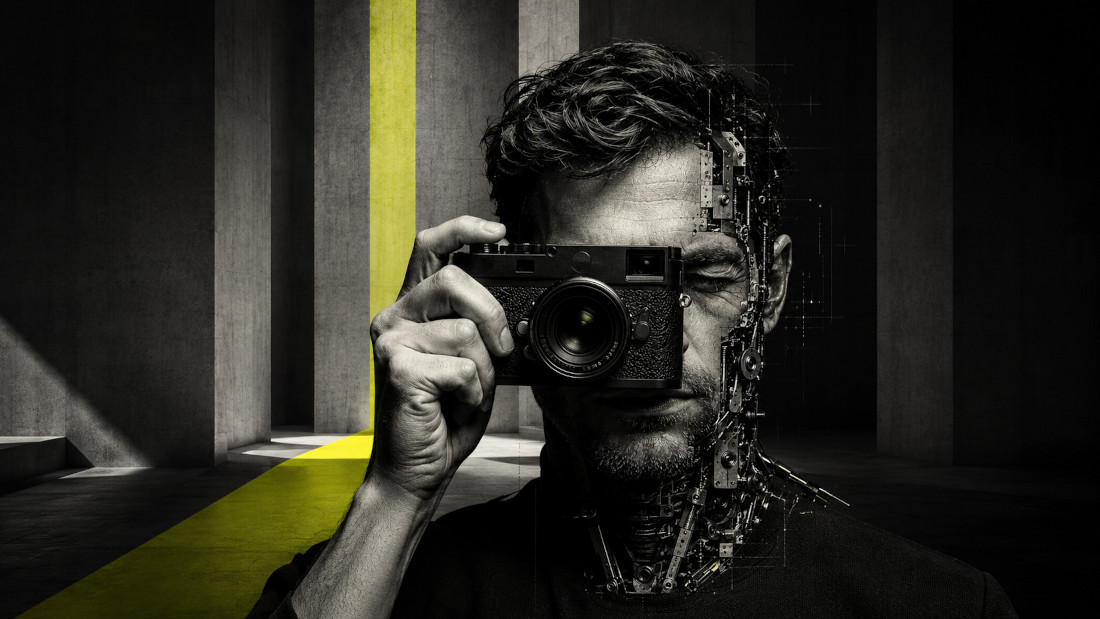
The Leica M is not the most capable camera you can buy.
It has no autofocus. No subject tracking. No computational photography, no scene recognition, no AI enhancement layer deciding what the image should look like before your eye leaves the viewfinder. It will not correct your mistakes. It will not anticipate your intention.
It will simply do exactly what you tell it to do, at the speed of light.
That is, in 2026, a radical proposition.
The M-series was introduced in 1954. The rangefinder mechanism predates it by decades. The fundamental operating logic — manual focus, manual exposure, one frame at a time — has not changed in seventy years. Not because Leica lacks the engineering to change it, but because the object is built around a specific belief: that the photograph belongs to the photographer, not the machine.
Every other camera in history has moved in the opposite direction. More automation, more assistance, more intelligence delegated outward. The camera learns your face. The camera chooses the moment. The camera decides what is sharp and what is not. The photographer becomes a passenger in a process that used to require full presence.
The Leica M refuses that offer.
To use one is to accept full accountability for the image. For the focus, the exposure, the timing, the frame. For what you included and what you left out. There is no algorithm between you and the photograph. There is only glass, light, and the decision you made in a fraction of a second.
In a cultural moment obsessed with offloading judgment to machines — to filters, to feeds, to models that predict what you wanted to say before you say it — the Leica M is a philosophical statement disguised as a product.
It does not make photography easier. It makes it more yours.
The machine at its most powerful is not always the machine that does the most. Sometimes it is the one that does precisely enough, then steps aside and lets the human being finish the work.
The Leica M has understood this for seventy years. The rest of the industry is only now beginning to ask the question.
The Ojbect Archive