The Premium Model Becomes the Consultant
The next phase of enterprise AI will not use the most powerful model for every task.
For the first phase of generative AI adoption, model selection was relatively simple: organizations connected their applications to the most capable model they could access.
That logic is beginning to change.
As AI moves from occasional assistance to continuous operation, the cost of every inference becomes visible. A model that appears affordable when answering a few employee questions can become expensive when it is invoked thousands of times inside automated workflows.
The response is not merely to negotiate lower token prices. It is to redesign how intelligence is allocated.
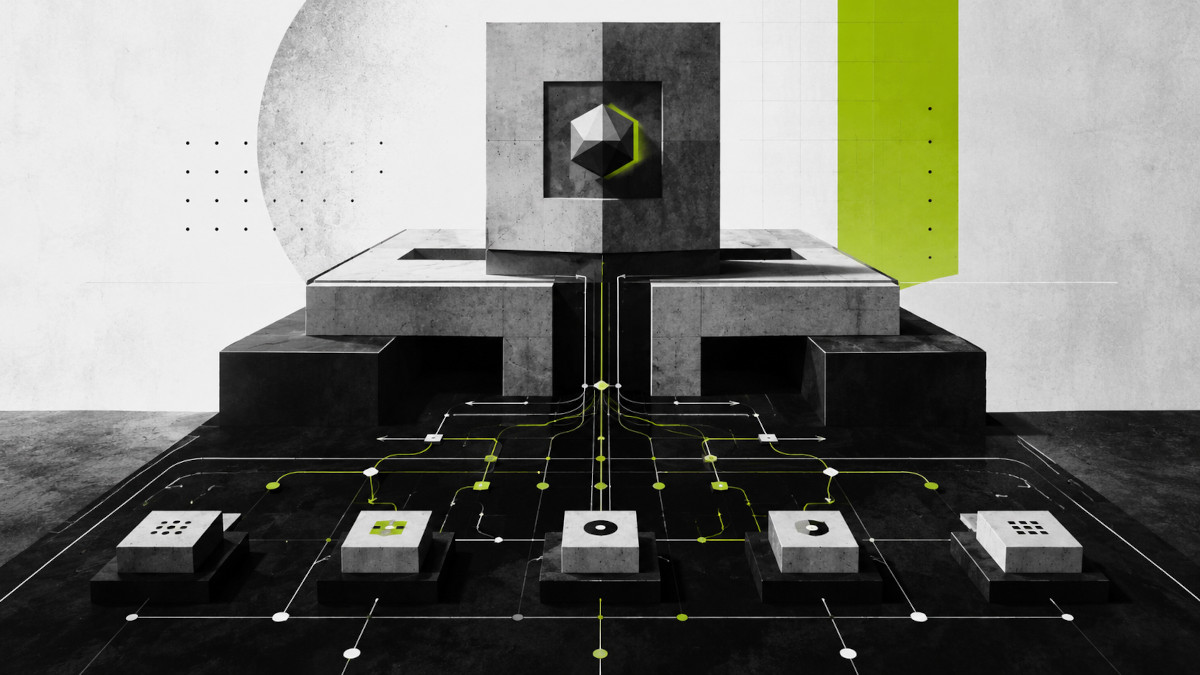
The most capable model becomes something like a senior consultant. It is called when the system needs to interpret an ambiguous request, construct a plan, evaluate alternatives or resolve an exception. Once the direction has been established, smaller and less expensive models can summarize documents, classify information, extract fields, prepare drafts or execute routine steps.
This creates a new architectural layer: model routing.
The router determines which task requires which level of intelligence. It may consider complexity, risk, latency, confidentiality and cost before selecting a model. Some requests may remain inside a local model. Others may be escalated to a commercial frontier system. High-risk actions may require both a stronger model and human approval.
This is more than infrastructure optimization. It changes how organizations think about AI capability.
The objective is no longer to deploy the best model everywhere. It is to apply the appropriate amount of intelligence at each point in the process.
That distinction matters because enterprise AI costs are rarely produced by a single spectacular request. They accumulate through thousands of ordinary actions: repeated retrieval, unnecessary context, duplicated reasoning and workflows that invoke a premium model even when a deterministic rule would have been sufficient.
A mature AI architecture therefore needs a hierarchy:
- deterministic software where the answer is already known;
- small models for predictable cognitive tasks;
- frontier models for ambiguity, planning and difficult judgment;
- people where responsibility cannot be delegated.
The practical lesson is straightforward. Before connecting a process to the most powerful available model, divide the process into decisions and executions. Identify which steps genuinely require advanced reasoning. Route everything else to the simplest system capable of performing it reliably.
The premium model is not disappearing.
It is moving to the top of the organizational chart.