Museums Reboot Their Ethical System
ICOM’s new Code of Ethics redefines how museums should use artificial intelligence, data, and digital technologies.
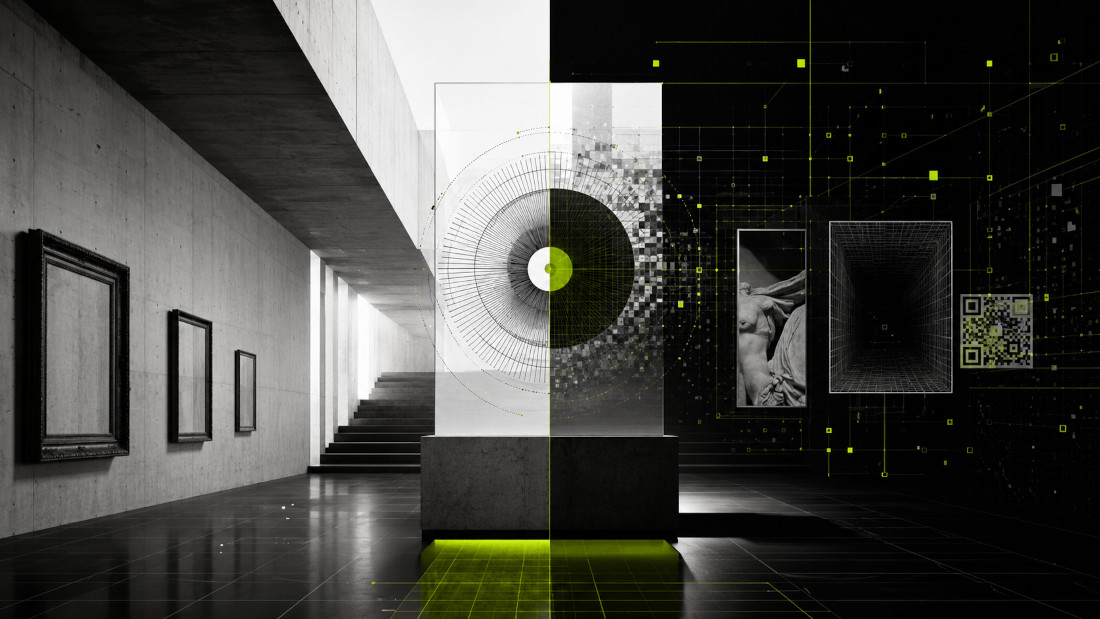
The last time you stepped into a museum, you probably spent as much time looking at your phone screen as you did at the gallery walls. Scanning a QR code for the audio guide, using an Instagram filter in the immersive room, and watching a 3D avatar explain why that seventeenth-century painting is still a mood.
Technology has opened up new ways of engaging with museums, and the truth is that we love it. But amid so much digital spectacle, augmented reality, and artificial intelligence processing data, one question had to be asked:
Who controls the algorithm inside the gallery?
Paris has just given us an answer. The International Council of Museums (ICOM), a network of more than 60,000 experts across 139 countries, approved the official update of its Code of Ethics at its 41st General Assembly.
In twenty-first-century language: the most important ethical patch in decades has just been installed.
This was not an improvised meeting in a Parisian café. The process is the result of years of intense debate led by the Ethics Committee (ETHCOM) and involved national committees, regional alliances, and creative minds from around the world.
The objective? To create a common system that protects us all.
The fine print we all need to read
At first glance, “code of ethics” sounds like a boring document living inside a PDF file. Wrong.
This revision directly addresses the major issues setting our social networks on fire every day, and it does so by establishing clear rules. In fact, the Professionalism, P. 7 section of the new code gets straight to the point and lays the cards on the table for the management of every institution: technology cannot be used blindly or at any cost.
The text is unequivocal:
“The museum’s governing body must oversee the use of digital technologies within the institution, assess their benefits and ensure that they do not cause harm. [...] The museum’s governing body must ensure that digital media and technologies are used in accordance with established standards, as well as with the institution’s objectives and mission.”
In the age of deepfakes, algorithmic bias, and mass disinformation, ICOM requires all museum staff and collaborators to adopt an active position to minimize risks in critical areas.
Those using these tools must proceed with caution to prevent the dissemination of false or inaccurate data generated by technologies without proper curation.
In addition, maximum awareness is required regarding the impact of new technologies on intellectual property rights, the rights of Indigenous peoples, and data sovereignty in the digital environment.
Protecting the planet
It is not enough for a screen to be dazzling. The ethical implications and the real environmental impact of keeping such technological infrastructure running must also be evaluated.
In summary: when technology distorts the truth, violates cultural rights, or pollutes without control, it breaks with the museum’s fundamental mission of serving society.
“Open source” flexibility for a diverse world
ICOM understood that the world is not homogeneous. The reality of a fully funded megamuseum has nothing to do with that of an independent cultural space or a community center.
For this reason, the code establishes universal principles but leaves room for each space to adapt them to its legal, cultural, and resource context, supporting everything with highly practical guidelines for everyday management.
Museums are no longer silent cathedrals of the past. Today, they are living laboratories where the physical and the virtual coexist every day.
The decision by the global museum community to update its rules of the game to ensure a fairer, more transparent, and more innovative future is not only good news for historians: it is a victory for everyone consuming culture in the age of infinite scrolling.